
Emulsifiers
Sorbitan Tristearate
INS 492 / E492
Also listed as: Span 65, Sorbitan tristearate (E492)
What it is
Sorbitan Tristearate is an emulsifier made from sorbitan, a compound derived from sorbitol, and stearic acid, a fatty acid. It helps improve the consistency and stability of formulations containing oil-based ingredients.
It is commonly used in cosmetics and personal care products, including creams, lotions and makeup. It is also identified as a food emulsifier (INS 492 / E492), where its use is permitted under applicable food regulations.
Sorbitan Tristearate is generally considered to have a low safety concern when used appropriately in cosmetic formulations. However, scientific safety assessments and regulatory permissions are different: the fact that an ingredient has been assessed for safety does not automatically mean it is permitted for every use in every country.
Regulatory note: FSSAI lists Sorbitan Tristearate (INS 492) as an emulsifier, but its permitted use must be checked against the applicable food category and conditions of use. In the United States, the FDA lists Sorbitan Tristearate for specified indirect food-contact uses; this should not be interpreted as blanket approval for direct addition to food.
Why it’s used
Manufacturers use Sorbitan Tristearate mainly to improve the texture, consistency and stability of products.
- In cosmetics: It helps oil-based ingredients disperse more evenly and contributes to a smooth, consistent texture in creams, lotions and makeup.
- In food: Where specifically permitted, it functions as an emulsifier, helping improve the consistency and uniformity of certain food products.
- For product stability: It helps maintain a consistent formulation and can reduce ingredient separation in suitable products.
Are there any safety concerns? Sorbitan Tristearate is not generally considered a major safety concern when appropriately used in cosmetic formulations. However, individual skin reactions are possible, and food safety depends on exposure, the intended use and applicable regulations.
Important for consumers: The presence of Sorbitan Tristearate alone does not mean a product is harmful. For food products, its regulatory status should be verified for the relevant food category and country rather than inferred from its INS or E-number alone.
Typically found in:
- Chocolate and compound coatings
- Margarine and fat spreads
- Cake mixes and whipped toppings
Where it’s allowed
| Where | Status | Details |
|---|---|---|
| India | Status unclear | Permitted in fat spreads (category 2.2.2), added by the 2018 amendment. Permission for chocolate (category 05.1.3) not confirmed. FSS (Food Products Standards and Food Additives) Regulations, 2011, as amended 2018 · 2018 |
| EU | Permitted with limits | Maximum levels per food category; group ADI with other sorbitan esters (E 491–495). |
| US | Status unclear | Sorbitan monostearate is listed in 21 CFR 172.842; a direct food-additive listing for the tristearate was not confirmed. 21 CFR Part 172 — food additives permitted for direct addition |
| Canada | Permitted with limits | Sorbitan Tristearate is permitted as a food additive in Canada for specific food products and under defined conditions. It is not automatically permitted in every food. Health Canada, List of Permitted Emulsifying, Gelling, Stabilizing or Thickening Agents, item S.18B. |
Acceptable daily intake (ADI)
10 (group ADI for sorbitan esters E 491–495, singly or combined, expressed as sorbitan) mg/kg body weight/day — set by EFSA in 2017. This is the amount a person can eat every day over a lifetime without appreciable risk.
What TrustPick’s flag means
"Worth noting": permitted only up to set limits, and shares a combined intake limit with other sorbitan emulsifiers. No specific health concern at normal intakes.
Why: Regulatory limits
On our watchlist: In many countries permission status for usage in food is not clear.
Our flags follow fixed, published rules — a health or evidence concern alone is never shown as “restricted”. How TrustPick rates ingredients.
Products containing sorbitan tristearate
From ingredient lists in the TrustPick catalogue.
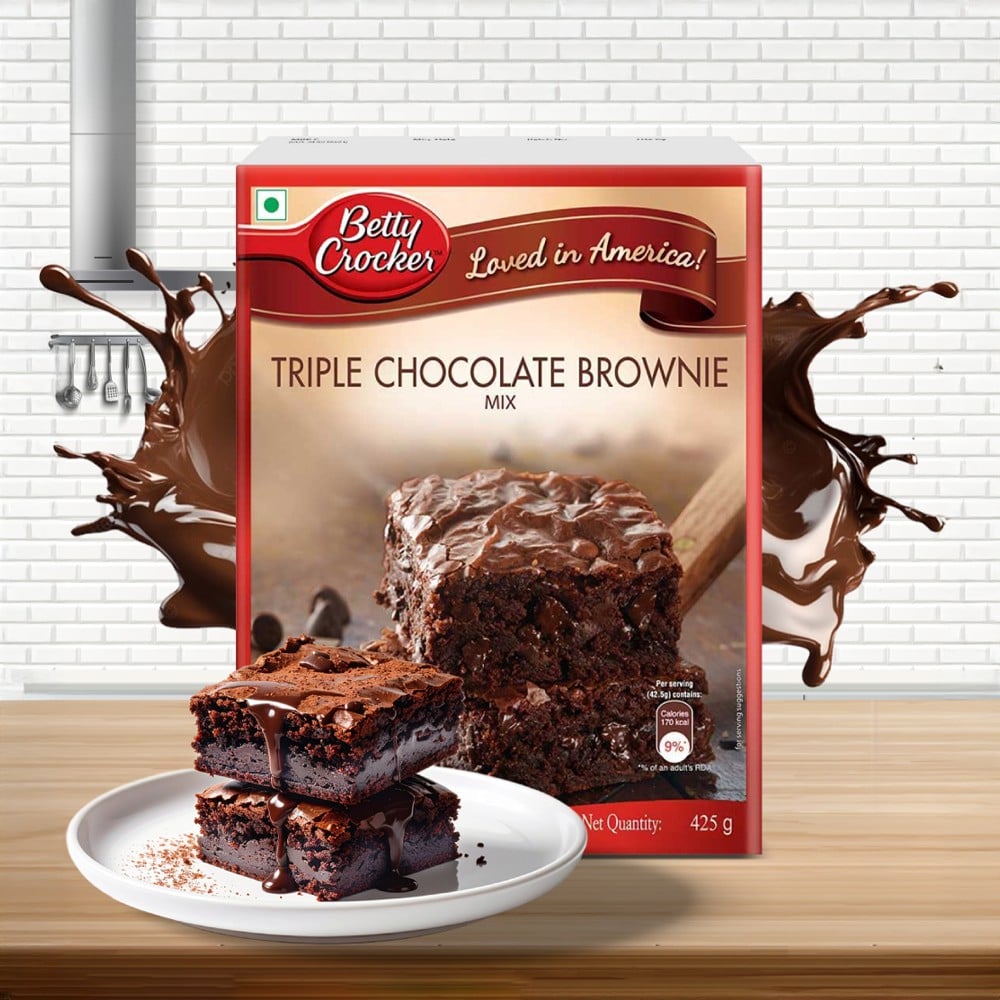
Betty Crocker
Betty Crocker Triple Chocolate Brownie, Cake Mix
Ready to eat40/100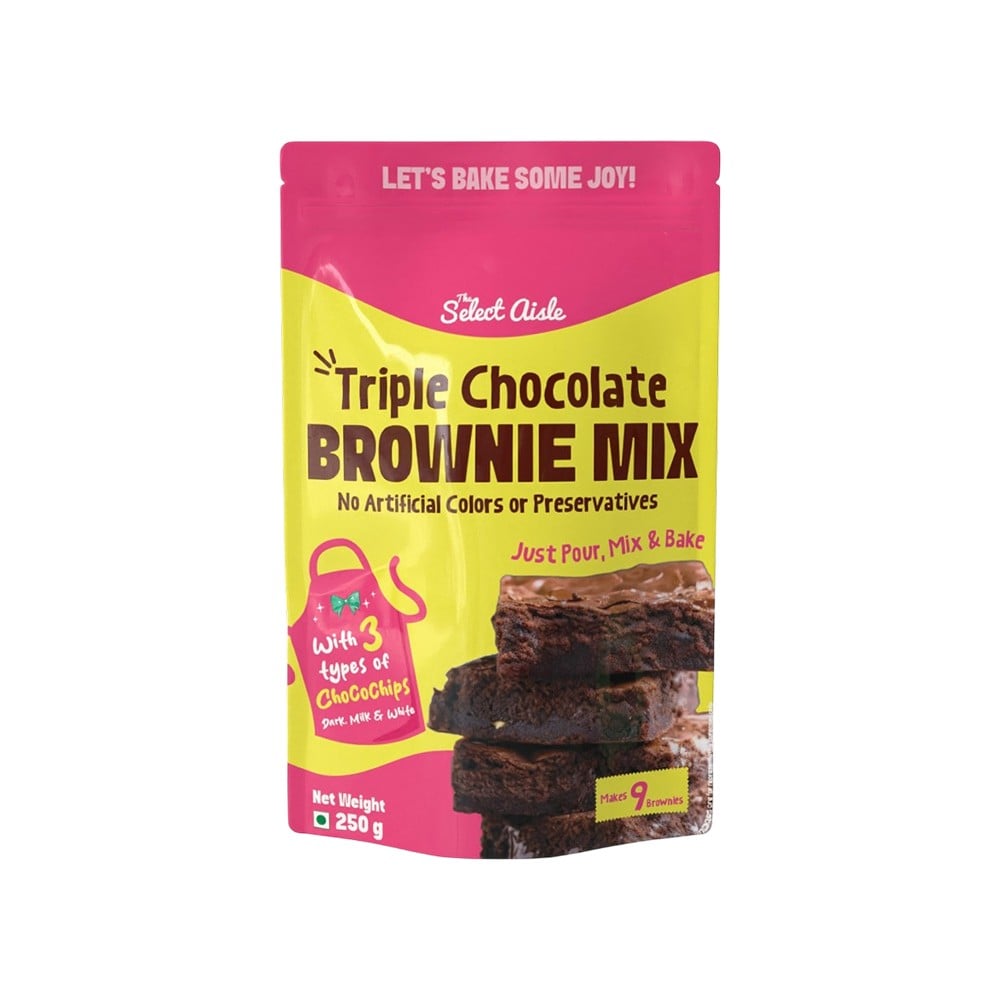
The Select Aisle
The Select Aisle Triple Chocolate Brownie Cake Mix
Ready to eat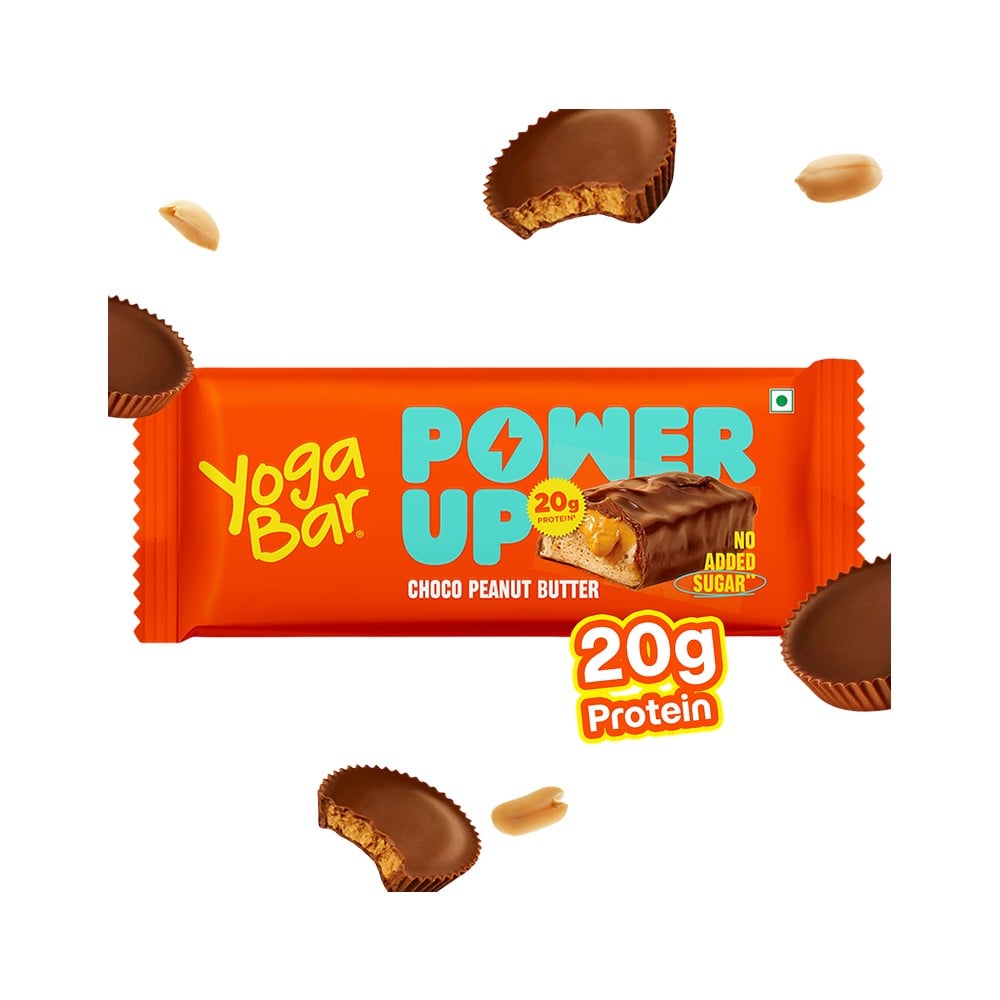
Yoga Bar
Yoga Bar 20 g Protein Bar, Choco Peanut Butter, No Added Sugar
Ready to eat35/100
Yoga Bar
Yoga Bar Choco Peanut Butter Mini Protein Bar Pack
Ready to eat50/100
Yoga Bar
Yoga Bar 20 g Protein Bar, Coffee Rush, No Added Sugar
Ready to eat43/100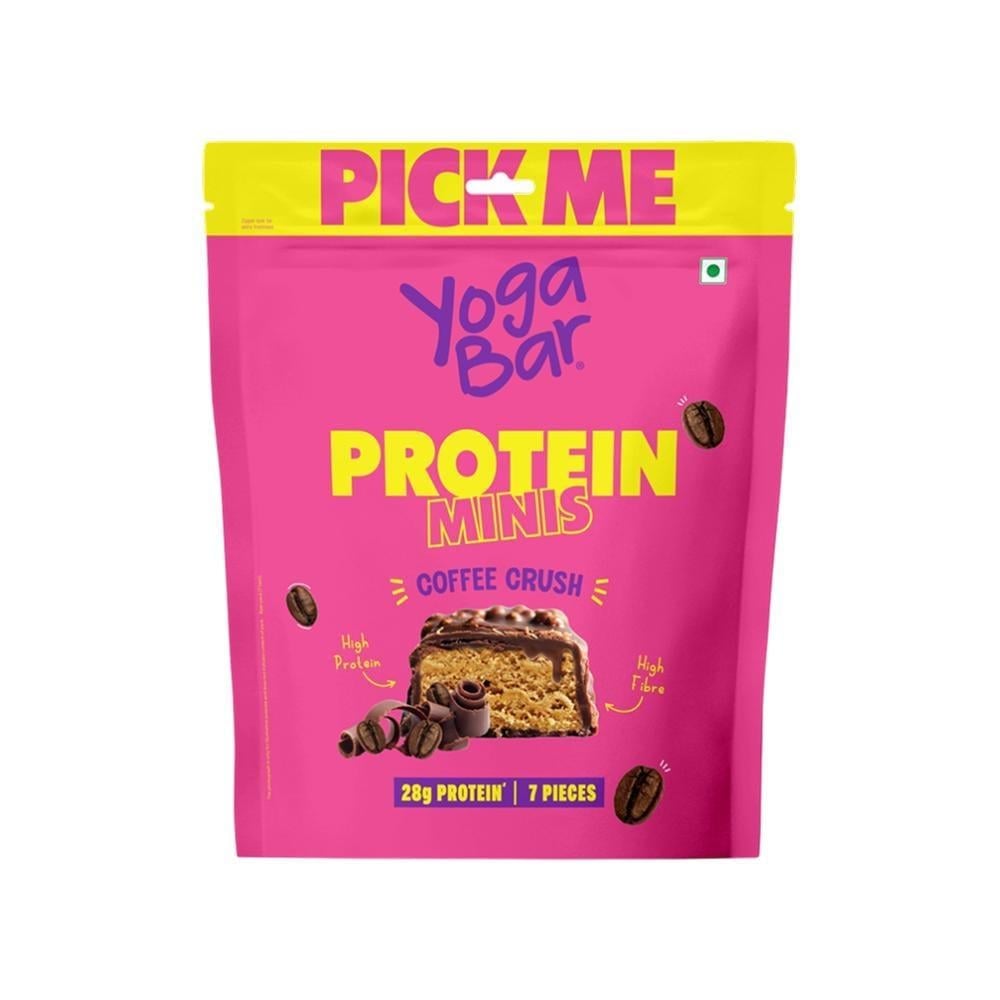
Yoga Bar
Yoga Bar Coffee Crush Mini Protein Bar Pack
Ready to eat38/100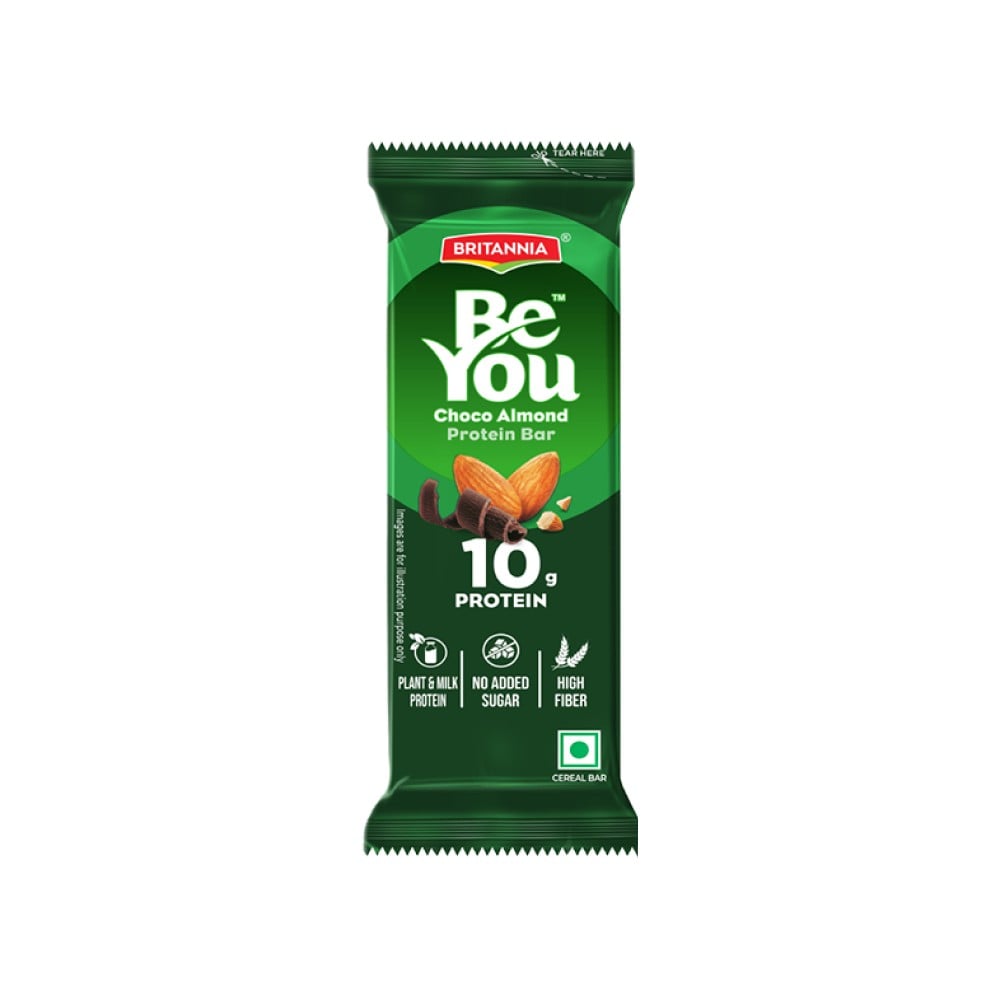
Britannia
Britannia Be You Choco Almond 10g Protein Bar
Ready to eat68/100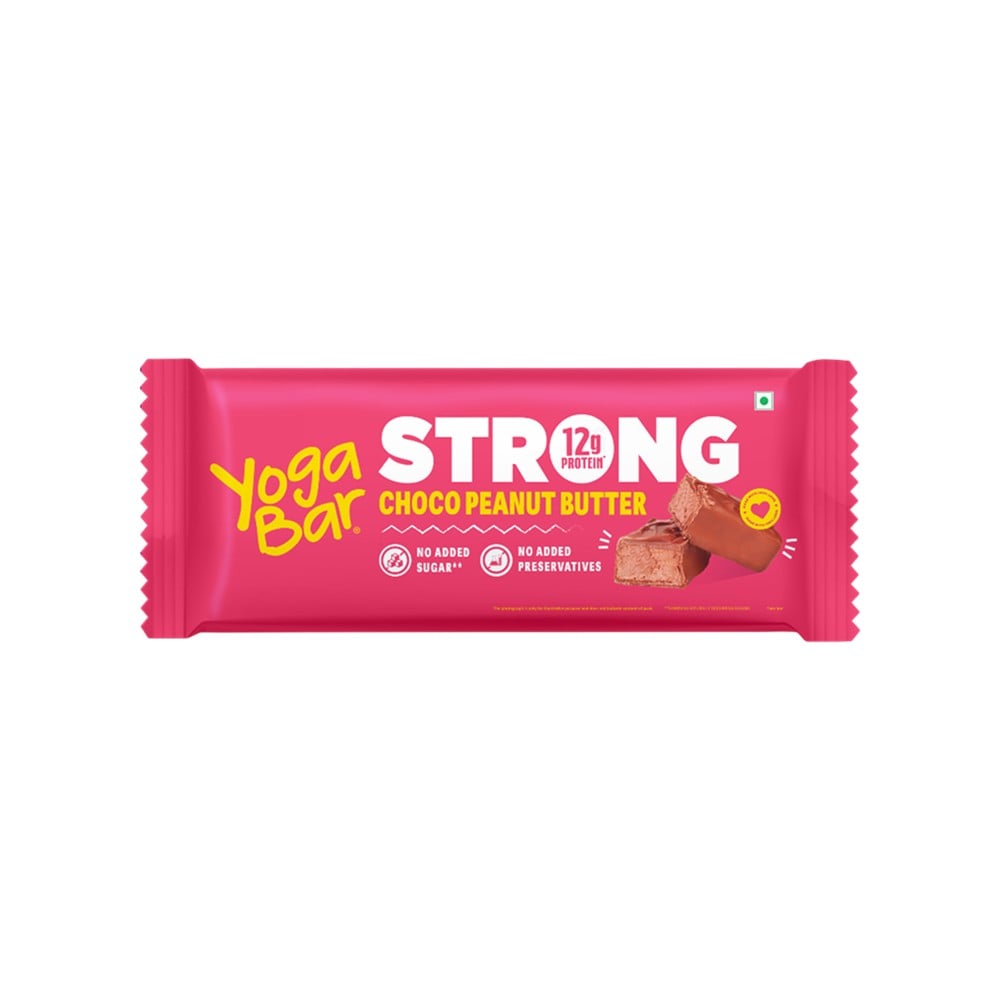
Yoga Bar
Yoga Bar 12 g Protein Bar, Choco Peanut Butter, No Added Sugar
Ready to eat40/100Walmart
White Cake with Buttercreme Icing
- Worth noting
Hershey's
Hershey's Candy Assortment
Sweets69/100 - Worth noting
Reese's, Kit Kat, Whoppers, Heath
Reese's, Kit Kat, Whoppers, Heath Candy Assortment Miniatures
Sweets62/100 - Worth noting
Reese's, Kit Kat, Whoppers, Jolly Rancher, Twizzlers
Reese's, Kit Kat, Whoppers, Jolly Rancher, Twizzlers Candy Assortment Miniature
Sweets69/100
Sources
- Food Safety and Standards Regulations (incl. Food Products Standards and Food Additives, 2011) — FSSAI
- Regulation (EC) No 1333/2008 on food additives (consolidated) — European Union (EUR-Lex)
- Food additives — re-evaluations and scientific opinions — EFSA
- Re-evaluation of sorbitan monostearate (E 491), sorbitan tristearate (E 492), sorbitan monolaurate (E 493), sorbitan monooleate (E 494) and sorbitan monopalmitate (E 495) as food additives (EFSA Journal 15(7):4788) — EFSA ANS Panel
- Code of Federal Regulations, Title 21 (Food and Drugs) — US FDA / eCFR
Reviewed 2026-10-19 · Last updated 2026-10-19. Information, not medical advice. Spotted a mistake? Tell us.